
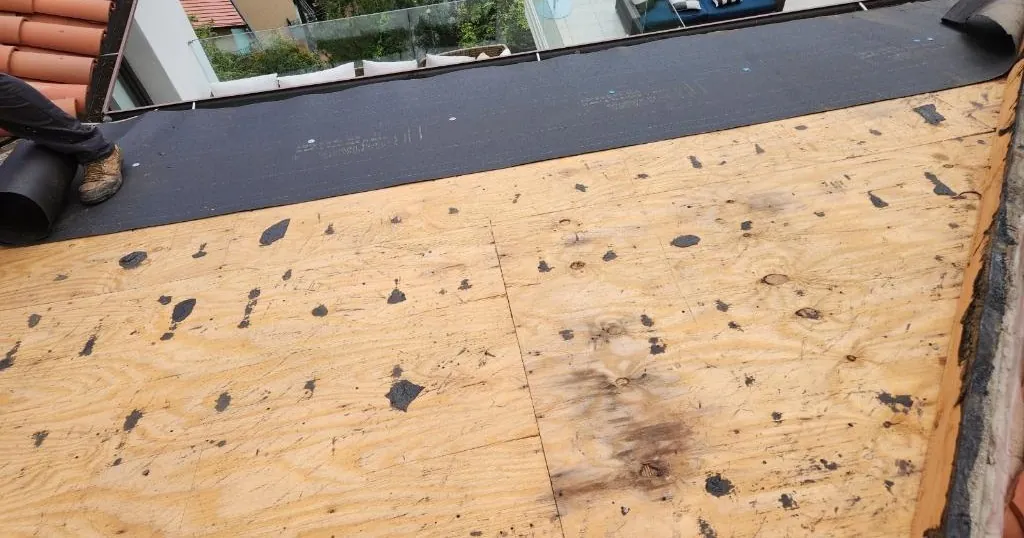
Some roof questions arrive with paperwork attached, and the roof itself is only half the job. A buyer in escrow needs the roof's condition documented in writing before the sale closes. An insurer may ask for a roof inspection before it writes or renews a policy.
That written report is a different product from our free estimate, and we price the two separately. Tell us who will read the report and what it has to cover. Then we can explain what we are able to put in writing.
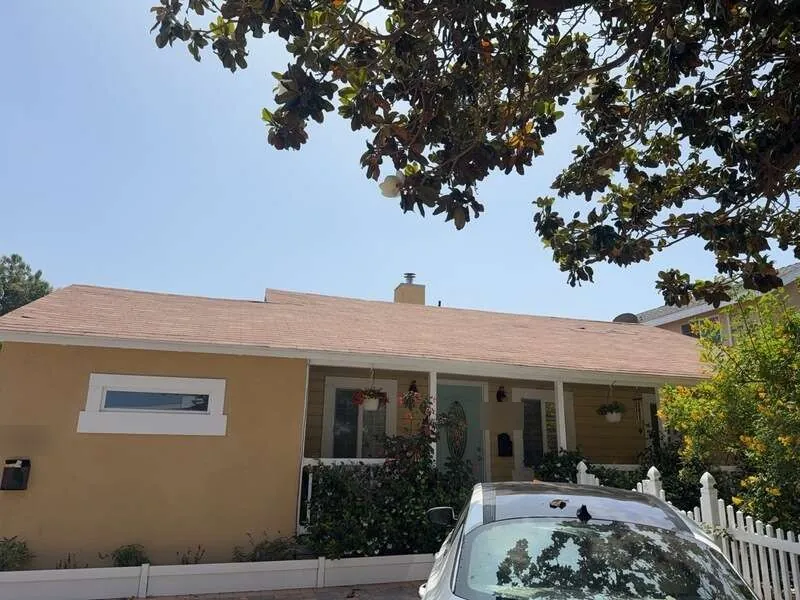
A written roof report for a specific decision
Our free estimate answers a sales question, because it prices the work we would do on your roof. A written report answers a different question, since it describes the roof as we found it. We keep the language plain enough for a reader who has never been on a roof.
Escrow files and insurance requests both call for that second document, and its reader may never hire us. So we start with the request itself, because the wording tells us what the document has to carry.
Some people need a short summary of the roof's overall condition, while others want detail on one spot. That spot might be the ceiling stain in a back bedroom that nobody can explain.
A report that only says the roof is old helps nobody, so we tie findings to places. The valley above the garage and the flashing at the chimney are different problems with different fixes.
The same people who handle our roofing work across Santa Clarita also write these reports. That matters when a document has to explain why a roof leaks and how to stop it.
Some reports land on a small, fixable problem such as cracked flashing or a few slipped tiles. Findings like those can point to a roof repair instead of a new roof.
Other roofs are worn across the whole surface, and the report says so plainly. Then we can talk through a full roof replacement and what that job would involve on your house.
Both talks stay separate from the report, because we write down what the roof is doing first. Nobody has to hire us for repairs to get the document they came for.
What the inspection can assess
We look at what we can see and safely reach, starting with the covering itself. That might be asphalt shingle, tile, metal panels or the cap sheet on a low slope roof. A cap sheet is the granulated top layer that takes the weather on flat roofs.
Flashing gets a close look, since it is the metal that seals joints at walls, chimneys and valleys. Those joints are a leading source of leaks, so we check them and say what we find.
We check the underlayment wherever we can see it, because that layer is what actually keeps water out. Underlayment sits under tile or shingle, and it can fail while the tile above it stays sound.
Water has to leave the roof somewhere, so we follow the path it takes. On a low slope roof we look for ponding, blocked drains and seams that have opened. Standing water points to a drainage problem rather than a normal condition.
The deck under the covering tells its own story through soft spots, sagging lines and attic stains. Decking is the wood sheathing that carries the roof, and rot in it widens the repair.
We also note what the roof has already been through, because old work leaves marks. Patches, mismatched shingles and dried sealant around a vent tell us someone worked up here before.
A report describes the roof on the day we walk it, and we say that in the report. We cannot see under sealed material without lifting it, so some conditions stay hidden until work starts.
We can describe wear, but we do not put a number on how many winters a covering has left. Weather, install quality and past repairs all change that answer, so the report stays with what we saw.
Steep pitch, brittle tile and second story access can limit what we reach safely. When that happens, the report names the areas we could not check rather than filling the gap.
Which assembly a repair or replacement needs depends on the parcel and its current mapping. The City of Santa Clarita publishes its current building codes and local amendments for exactly that reason. It also points owners toward its maps and toward verification in the field.
We report the roof's condition, and the City rules on what a given address actually requires.
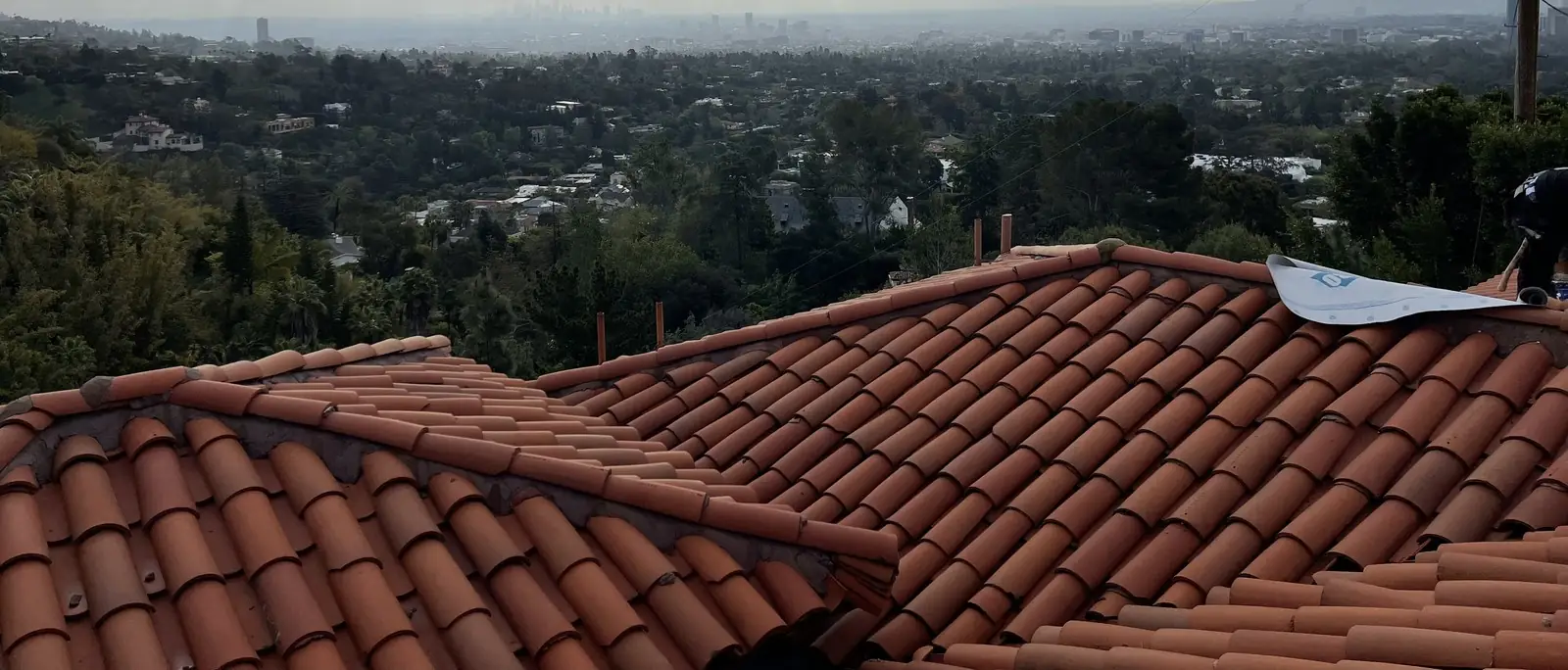
Roof inspections during escrow
Escrow turns a private roof into a shared document that several people read at once. A buyer, a seller and an agent may each come to it with different questions.
So we ask what the contract or the request actually names before we climb anything. Some deals want a general condition report, while others name one item such as a patched valley.
Who reads the report matters as much as what it covers, so we write for someone outside the trade. We explain the terms we use instead of leaving a stranger to look them up.
If you are the buyer, you want the roof's current shape and its next likely cost. We answer both from what we saw that day, and we leave the guessing out of it.
If you are selling, order the same report before listing so nobody meets the roof as a surprise. The document reads the same either way, because it describes the roof rather than the deal.
Tile roofs deserve a word of their own, because the tile can look sound from the street. The underlayment beneath it may have failed years earlier without showing anything from below.
So a tile report covers the underlayment and the decking as well as the tile surface. Where the tile comes through in good shape, the work that follows may be a lift and relay.
In a lift and relay we take the tile off in sections and stack it on site. We strip the old underlayment, replace any rotted decking and lay a new layer over the deck. The original tile goes back on when its condition allows it.
We cannot tell you how the other party will read our findings once they have them. Our job ends with an honest record of the roof and a price for any work.
Tell us what the transaction needs and when, and we will explain what we can document.
When an insurer requests a roof report
When an insurer asks for a roof report, that request may name exactly what the carrier wants to see. Read it to us on the phone or send the wording over, so we answer the exact question.
If the request arrives without much detail, we still work through the covering, flashing and drainage in order. A reader can then follow the roof from the top down without knowing the trade.
Our part is the inspection and the written report that follows it. The coverage decision belongs to your insurer, and we leave that decision where it sits.
So we describe the covering, the flashing, visible damage and any repairs we can see from the roof. We date the report and describe the roof as it stood on that day.
Older repairs matter here too, because a carrier reading the report wants the roof's current state. We describe what those repairs look like now and whether they are still holding.
If the property sits in a mapped fire hazard zone, the rules for a new assembly can differ. The City's Building and Safety staff settle what one parcel requires.
We write down what the roof shows today, and we stay away from causes we did not witness. That keeps the report useful to whoever has to act on it next.
Some callers want the report and a price for the work in the same conversation. We can do both, as long as the two stay separate items with separate numbers.
If the report shows that work is needed, we quote that job on its own terms. Keeping the inspection fee and the repair estimate apart keeps the findings clean.
Inspection fees and next steps
The inspection fee changes from roof to roof, and the roof itself decides the number. Size and the number of stories move it more than anything else we look at.
We quote that fee on the phone once we know the address and a few basics about the house. You hear the number before we put anything on the calendar.
The estimate for roofing work is a separate offer, and that one stays free. It prices a repair or a new roof rather than the written report.
For replacement pricing we can start from satellite measurements and confirm the details on site. That keeps the first conversation about cost honest for both of us.
You get a written report when your paperwork needs one in hand. Some callers only want us to look and explain what we found, which is a different conversation.
If the roof needs nothing, the report says that too, and we move on. A clean roof is a real finding, and it belongs in writing just as much as a failure.
We inspect roofs across Santa Clarita, including Newhall, Valencia, Saugus and Canyon Country. The roof, not the neighborhood, sets what the visit involves.
If the findings lead to work, the permit question comes next. We help property owners pull the required roofing permit through the City of Santa Clarita permit center. What the City approves, and when, stays the City's call.
A full roof replacement carries our ten year workmanship warranty on the work we performed. A repair is a smaller scope with its own price, and we say which one your roof needs.
Call (661) 367-8211 and tell us what the report has to prove for you. We will explain what we can document and what the fee depends on.
Questions we hear about roof inspections
Is a detailed roof inspection free?+
No, the free offer is our estimate for work we would do on your roof. A documented inspection with a written report is a separate paid service. The fee depends on the size of the roof and how many stories it has.
Can I request a report for escrow?+
Yes, and it helps if you tell us what the transaction asks for and who will read it. We inspect the roof and write up what we found in plain language. We price any work we would do separately from the report.
Can my insurer ask for a roof report?+
Yes, insurers sometimes ask for a roof inspection before they write or renew a policy. Send us the wording of the request so the report answers it directly. We document the roof's condition, and your insurer makes its own decision.
Roof paperwork goes easier when the person on the roof knows what the document has to say. Tell us who is asking and what they need to see, and we will take it from there.
Call (661) 367-8211 to go over the request, or send us the details in writing.
We work under CSLB #1112525. Santa Clarita Roofing Contractors is a division of Home Vision Remodel.