
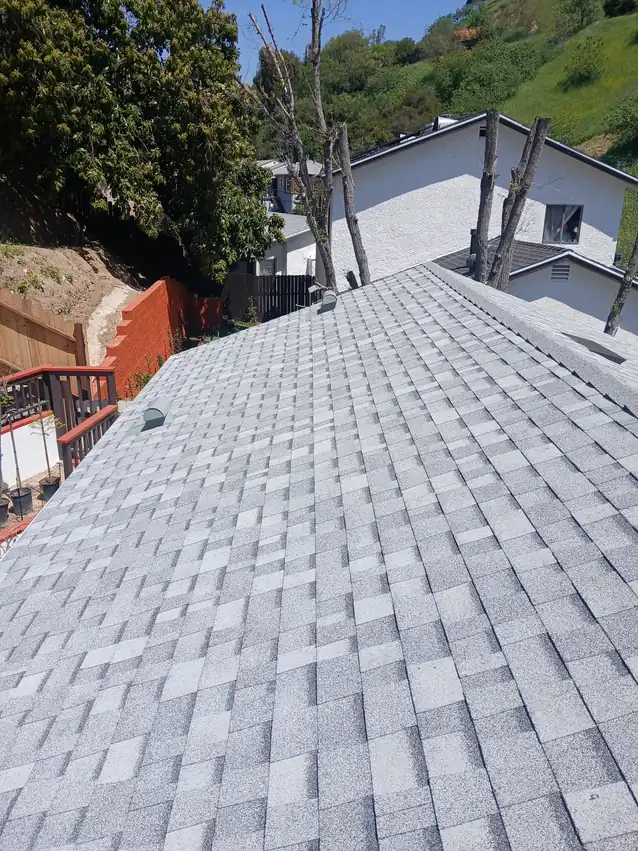
Asphalt shingle work splits into two jobs, and the first repairs a failed area on an otherwise sound roof. The second job strips the old covering and lays a new shingle roof on a clean deck.
We do both, and the visit that tells you which one your roof needs is a free estimate. Call (661) 367-8211 with the property address and a short description of what you see.
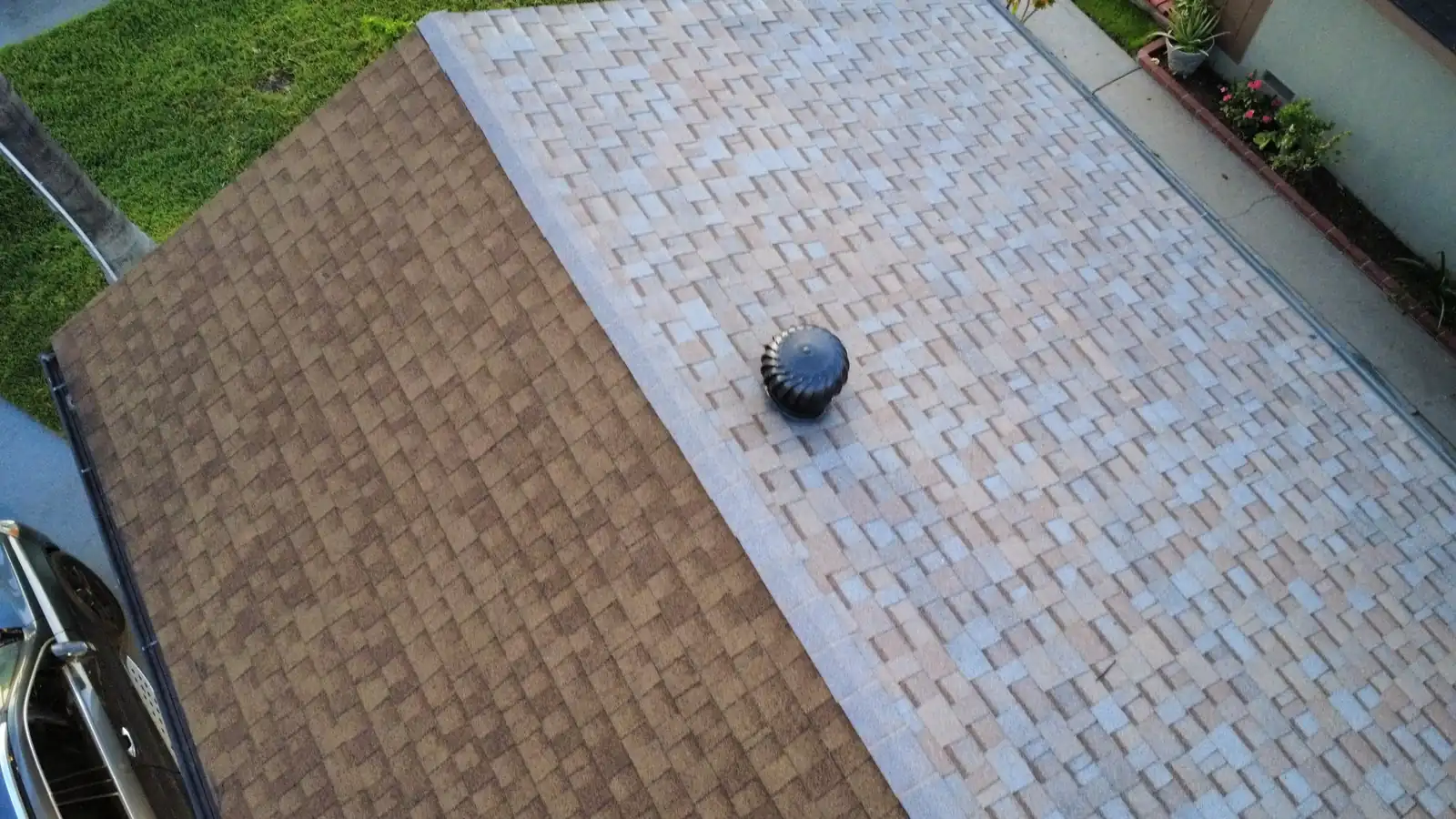
Asphalt shingle roofing options
Shingle work starts with the roof you already own, so we walk the slopes we can reach safely. We read the shingle surface and check the flashing at walls, valleys and roof penetrations.
From there the job goes two ways, and we repair a sound roof that has damage in one area. We price a covering that has failed across several slopes as a replacement.
If the damage sits in one area, read how we handle roof repairs and call us about that slope. Leak tracing, patching and flashing work all apply to shingle roofs.
A house can carry shingles on the main slopes and a flat section over an addition or patio. We work on both, and the rest of our roofing work covers the other systems we install.
A free estimate prices the work you are considering. When escrow or an insurer asks for a written condition report, that is our roof inspection service. That report carries its own fee, and we quote it on the call.
We specify the whole assembly on a new shingle roof: underlayment, starter course, fasteners, valley metal and ridge cap. Underlayment is the water resistant layer that sits between the deck and the shingles.
Edges matter as much as the field, since drip edge, starter strip and valley details decide where water goes.
We take shingle work on houses and on smaller commercial buildings with sloped roofs. The assembly is the same, and the access and scheduling are what differ.
Tell us what you are seeing and where, because wind damage and rain leaks look different. A missing patch and a damp spot need different repairs, and we look at both from the deck up.
A shingle estimate covers tear-off, disposal, deck repair, underlayment, flashing, shingles and the ridge cap. Anything we cannot see from the ground is written as a condition, so the price stays honest.
Color match is worth talking about on a repair, because a weathered roof and a new bundle read differently. On a visible slope that matters more than it does out back.
Damaged shingles and the surrounding roof
Shingle damage can be hard to read from the ground. Tabs lift in wind, corners crack, and fasteners work loose under a slope that looks fine from the street.
Granule loss is worth noting, because the granules are the colored grit that protects the shingle. Bare spots show the surface is wearing, though that alone does not prove the roof is finished.
Age works the same way, since a roof past its expected service life can still be sound. A younger roof can fail early where the flashing was done poorly.
Flashing is the metal that seals roof to wall, chimney and valley transitions. It is a leading origin of roof leaks, so we look there before we blame the shingles.
Water can enter at one point and show up several feet away inside. A ceiling stain marks where the water left the structure, not where it got in. We trace the path back uphill before we price the repair.
A repair can mean replacing a section of shingles, resetting flashing, or sealing around a vent or pipe. What it takes depends on what we find, and the estimate says which one we mean.
Two roofs of the same age can need different work. Sun exposure, slope, past repairs and the condition of the underlayment all change the answer for one address.
Leaks bring in more calls than any other roofing question, and we take those calls first where we can. A first visit may only slow the water while we plan the full fix.
Look inside as well as up, since a stained rafter or damp sheathing can point at a roof problem. Tell us about those signs when you call, because they change where we look first.
Some shingle problems start somewhere else, like the vent boot that seals around a pipe. A cracked boot leaks, and an open chimney joint or a loose valley does the same.
Repair work is good work when the roof supports it, and we say so when it does not. We show you what we saw, because we would rather fix the cause once.
Wind and heat leave different marks, since lifted tabs mean wind and brittle curled edges mean long sun exposure.
Valleys carry water from two slopes at once, so they take more wear than the open field. We check the valley metal and the shingle edges that run into it.
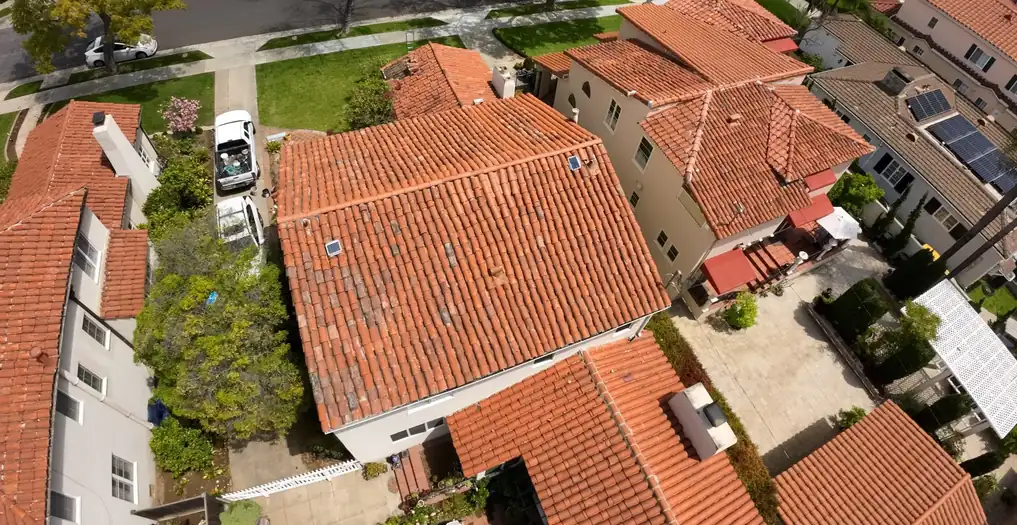
Shingle replacement and the roof deck
Tear-off means stripping the old covering down to the deck instead of laying new shingles over it. The deck, also called sheathing, is the layer of boards or panels that carries the roof.
The deck stays hidden until the covering comes off. Rot in the sheathing is the most common change order on a re-roof, and we raise that early.
Boards that are soft, stained or broken come out and get replaced. Sound boards stay, and we show you the difference while the deck is open.
New underlayment goes down on the clean deck as the water resistant layer between deck and shingles. It is the second line of defense once water gets past the surface.
A second layer over old shingles is possible on some roofs and not on others. Existing layers, the deck's condition and the city's requirements decide it, and we answer that at the property.
If you are weighing a whole new roof, read what a full roof replacement involves. Then call us with the address and we will price the shingle work.
We back a full roof replacement with a ten-year workmanship warranty that covers our installation work. It does not extend to a spot repair, and product coverage comes from the shingle manufacturer.
The sequence on a re-roof runs in order. Strip the old covering, repair the deck, lay underlayment and flashing, then install the shingles and the ridge.
Change orders come from what the deck shows, so our estimates cover wood damage before anyone opens the roof. The number does not move without a reason you can see.
Fasteners matter more than they look, since shingles hold through the nailing pattern in the manufacturer's instructions. A nail set too high or too deep gives that up.
A tear-off also gives us a clean look at the flashing. We check the wall flashing, chimney flashing and valley metal, then reset or replace what has failed.
Tear-off debris leaves the property by the load, and tight access adds time to that part of the job.
A re-roof is a chance to correct earlier work, since short nails, thin flashing and old valleys come out.
Assembly details and material documents
Shingles are only one part of an assembly, and the manufacturer prints how those parts go together. The underlayment, starter course, fasteners, valley metal and ridge cap all have a job.
Those printed instructions govern the installation, and we keep to them because a shortcut there shows up later. Product coverage comes from the shingle manufacturer, and their terms follow the product and the installation.
Local rules sit on top of the manufacturer's. Santa Clarita publishes the city's current building codes and its local amendments. Submissions from January 1, 2026 follow the 2025 city and state codes, and earlier ones follow the 2022 codes.
The code also sets a floor for the covering itself. Outside mapped fire hazard and wildland interface areas, a covering is at least Class B. That applies when the covering is altered, repaired or replaced.
Class A, B and C describe the fire resistance of a finished roof assembly, not one product alone. That difference matters when you are weighing what a roof needs.
Properties inside a mapped fire hazard severity zone follow a separate chapter of the code. That mapping is set by address, so we confirm it for your parcel before we specify the assembly.
The city also inspects a re-roof after removal of the existing layers. When a roof is recovered, the inspection comes first, and damaged deck or framing gets repaired before new roofing.
Older roofs sometimes sit on spaced sheathing, which is boards laid with gaps between them. The city's code calls for new solid sheathing over those boards, and that changes the scope and the price.
When a project needs a permit, we help the owner pull it through the city's permit center. The city decides what a project needs, what it costs and how long it takes.
Keep the paperwork together once the roof is done. The estimate, the material documents and the permit record are what a buyer or an insurer can ask for later.
Ask for the product documents when the roof is finished, since they name the shingle line, underlayment and accessories. That record supports a later claim on the product.
Getting a shingle roofing estimate
Cost is the question we hear most often, and a page cannot answer it honestly with a number. What a shingle roof costs depends on what is on it and what is under it.
We can measure many roofs from current satellite imagery, so we can talk about real numbers early. Then we confirm the details at the property, since imagery does not show a soft deck or failed flashing.
The estimate is free, and it is a price for the work rather than a report on the roof. A written condition report for escrow or an insurer is a separate paid service. Its fee depends on the size of the roof and the number of stories.
Call (661) 367-8211 and have the property address ready, then tell us about the slope and what you see inside.
Santa Clarita Roofing Contractors is a division of Home Vision Remodel. We work under CSLB #1112525.
Repair calls and replacement calls get the same treatment, so we look, measure and say what the roof needs. Booking an estimate does not commit you to the work.
Timing is worth raising on the call, because we take work weeks out as readily as work now. Tell us the real timing and we can plan the estimate around it.
Once you accept an estimate, we sort the permit where a project needs one, then order the material.
If the roof is leaking now, say so at the start of the call. We handle active water differently from a planned replacement, so the first visit may be a repair.
These are the details that move the number on a shingle estimate.
- Roof size, counted in squares of one hundred square feet each.
- Pitch, since a steep slope changes the setup, the safety gear and the pace of the work.
- Height, because a two story roof needs more staging than a single story.
- Existing layers, since stripping two layers costs more than stripping one.
- Deck condition, because rotted boards get replaced before new roofing goes on.
- Access for a truck, a dumpster and material, which varies by lot and street.
- Fire zone mapping, which can require a Class A assembly on a mapped parcel.
Shingle roofing questions we get
Can a damaged part of a shingle roof be repaired?+
It depends on the covering and the deck, and sound shingles around the damage allow a patch. We reset the flashing there, but several worn slopes or wet sheathing mean a replacement instead.
What is checked after tear-off?+
With the old shingles off, we read the sheathing for rot, soft spots and broken boards. We replace what has failed, and spaced sheathing gets new solid sheathing under the city's code. The city's reroof inspection follows removal of the existing layers.
Which details affect the estimate?+
Roof size in squares, pitch, height, existing layers and access all move the price, and deck condition changes it. A parcel inside a mapped fire hazard zone can also require a Class A assembly.
Whether your shingles need one repair or a full tear-off, the answer comes from the roof itself. Call (661) 367-8211 and we will set up a free estimate on the address.
If writing is easier, our contact page takes the address and a short description of the problem. We follow up by phone before we price anything.